

From Tokyo’s neon lights, arcades, and futuristic atmosphere, to the majestic temples and lush outdoor spaces, there’s simply too much to see and fall in love with.
There’s even too much to eat! From fine wagyu beef and exquisite omakase to always-fresh sushi and even vending machine ramen, Tokyo is a true foodie paradise.
The sheer amount of fun, culture, and activity Japan holds is truly endless. Many travelers simply don’t know where to start when it comes to planning their trips.
I get it. Tokyo is an incredible city and there’s so much to see and do, it can be hard to know where to start. Especially when you only have 2 days!
In this post, I’ll share with you my carefully curated 2-day Tokyo travel itinerary.
This itinerary includes some of the best places to visit in Tokyo, as well as tips on how to make the most of your time in the city. So, if you’re planning a trip to Tokyo soon, read on for inspiration!
This trip covers the highlights of Tokyo (with a few off-the-beaten-path attractions sprinkled in) and is ideal for first-time visitors to Japan. So let’s get right into how to spend the perfect 2 days in Tokyo!
This post may contain affiliate links. You won’t be paying a cent more, but in the event of a sale, the small affiliate commission I receive will help keep this blog running/pumping out useful and free content. Thanks a lot!
Table of Contents
IN THIS GUIDE
TOKYO IN A NUTSHELL
Here’s a quick overview of all the useful info you need to plan an awesome trip!
When To Go: Spring (March to May) for cherry blossoms, Summer (June to August) for festival season, Fall (September to November) for epic fall foliage.
Where To Stay: Choose a hotel along the JR Yamanote Line for the most convenience. We like:
- Tokyu Stay – my favorite chain in Japan, the perfect size and price point!
- Hotel Matsunoi for solo travelers
- LANDABOUT TOKYO for budget travelers
- Mandarin Oriental Tokyo for the ultimate luxury
Nearest Airport: Narita International Airport (NRT) and Haneda Airport (HND). NRT is 60 kilometers (37 miles) east of Tokyo’s city center. HND is 14 kilometers (9 miles) south of Tokyo’s city center.
Must-Do’s: Immerse yourself in all the digital art at TeamLab Planets, feel the Disney magic at Tokyo Disneyland or DisneySea, try vending machine ramen and conveyor belt sushi, and shop for all the best souvenirs to bring home!
Currency: the Japanese yen (¥) – click for current conversion rates


HOW TO GET TO TOKYO
Flying Into Tokyo
Tokyo is served by two main airports: Narita International Airport (NRT) and Haneda Airport (HND).
Haneda is much closer to the city and typically easier for first-timers to navigate, while Narita serves more international routes. If money were no object, I would personally fly into Haneda every time; the commute into the city is so much faster!
Once you land, getting into the city is simple. From Haneda, take either the Tokyo Monorail or the Keikyu Line—both get you into central Tokyo in about 20 minutes. From Narita, the most comfortable option is the Narita Express (NEX), which goes straight to Tokyo Station in roughly an hour.
Pro Tip: To get real-time train/bus times, routes, and prices, use Jorudan. This site might look simple and outdated, but it is the most helpful thing in the world when planning out transportation in Japan.
Coming From Kyoto/Osaka
Getting from Kyoto to Tokyo by train used to be a no-brainer. 90% of travelers would just hop on the shinkansen (bullet train). But with train prices rising in recent years, flights are sometimes just as affordable (or cheaper) now, especially if you book early or catch a deal.
The shinkansen remains the most comfortable and straightforward option, taking about 2.5 hours from Kyoto to Tokyo. If you have a Japan Rail Pass, you can use it on the Hikari or Kodama trains (not the fastest Nozomi).
If you’d rather fly, book a flight from Osaka’s Itami (ITM) or Kansai (KIX) airports into Tokyo. The bonus? On a clear day, you’ll get incredible aerial views of Mt. Fuji.
STILL NEED AN E-SIM FOR YOUR TRIP? Our go-to eSIM provider is Airalo! For a limited-time, you can use promo code AIRALOESIM10 for 10% off your booking. Explore all their affordable plans here.
Buses are another option and much cheaper, but they take around 7–8 hours and are best for travelers on a strict budget or those who don’t mind long rides.
HOW TO GET AROUND TOKYO
Once you’re in Tokyo, there are a number of ways to get around. Tokyo is a great city to explore on foot, but there are going to be times where you want to get from one district to another. In these cases, you can take the subway, the train, the bus, or taxi.
If you have the JR Pass (either the one that allows for unlimited nationwide travel or even the Kansai Area pass), I recommend taking the train when you can.
Even if you don’t have the JR Pass, I still recommend using the train if you can. It’s the easiest and most straightforward way of getting around town!
Most of Tokyo’s major urban hubs are located on the JR Yamanote Line, also referred to as the “Loop Line.” The only major exceptions to this are the Roppongi and Asakusa districts. However, these two are just a few subway stops from the Yamamote Line.
You should use a rechargeable IC card, Suica card, or Pasmo card to pay for your rides. These are super-convenient rechargeable cards that can be used on all major trains, subways, and buses throughout Japan. You can even use them to pay for stuff at the konbini (convenience stores)!

The city also has an extensive bus network–you can get almost anywhere by bus if you know where to board and which bus to board.
With that said, the train and subway systems are going to be faster and easier to use.
I once had to take the bus to get to an onsen in the middle of nowhere, but for some reason, the bus stop was so hard to locate! Trains are way easier, so I’d stick to those.
Taxis are easy to find but pretty expensive in Tokyo. While taxiing around usually is the most expensive option, this option could be a good deal when you have three or four people in your group.
DAY 0 IN TOKYO: GET YOUR BEARINGS
Grab a late lunch

Since you’ll likely be arriving at Tokyo Station, make your first stop Rokurinsha, even before you head to your lodging.
It’s the epitome of what a quality tsukemen should be, not to mention it’s so conveniently located, right in the Tokyo Station! This is our go-to tsukemen spot every time we’re in Tokyo. Rokurinsha is located in the ramen alley and easy to find because of the long line.
Be prepared for a wait–it’s almost certain you’ll have to wait 10-20 minutes in line, but it’s completely worth it!
Check in to your hotel / accommodation
After filling up on a quick late afternoon meal, it’s time to check into your hotel! Drop off your bags, freshen up, and take a quick rest if you need to.
Chances are at this point, you will be jetlagged, meaning you will either be tired or might not be able to sleep. Do your best to adjust to the time shift and don’t plan any paid attractions on your first day.
You’ll want to start your trip off with a light stroll around Tokyo! Below are some highlights that I visited on my first stroll through the city.
HOTEL SPOTLIGHT
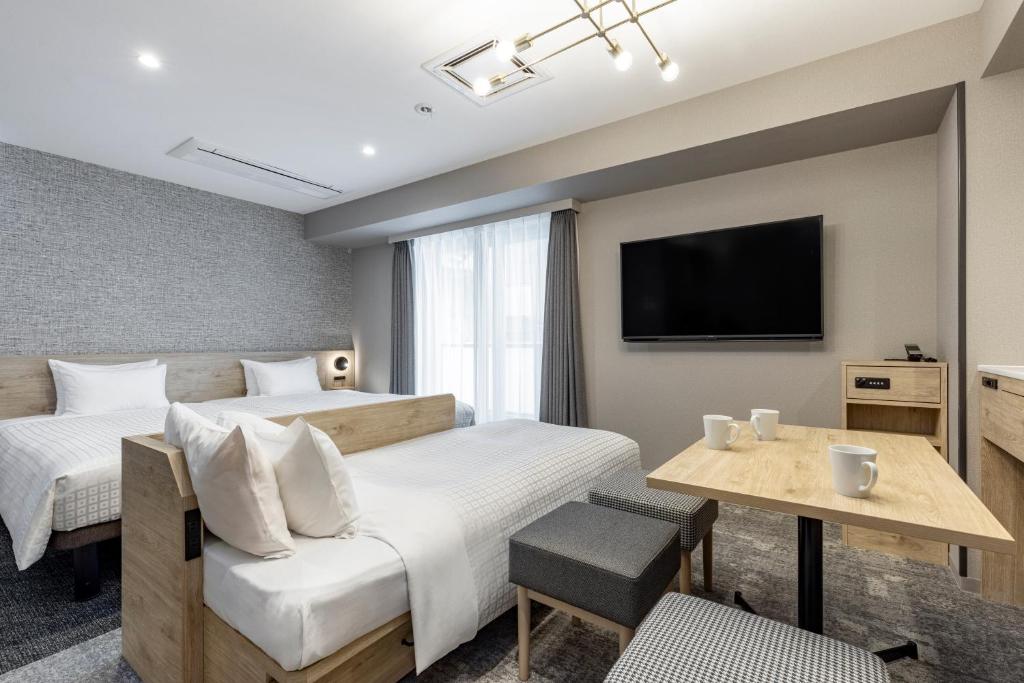
Tokyu Stay Shibuya
Centrally located. Sensible. Moderately priced. And comes with a free washing machine in the room!
Tokyu Stay is our favorite hotel chain in Japan, and we love this one because of its super central location, putting you smack dab in the middle of Tokyo’s hottest shopping, dining, and entertainment district, Shibuya!
Best of all, it’s not going to burn a big fat hole in your wallet.
Take a free walking tour of Tokyo
If you want to get your bearings in Tokyo while learning about its culture, history, and quirks from locals who actually live it, take a free walking tour. It’s one of the most affordable (and fun) ways to explore the city!
Browse through FREETOUR to see all the different themed tours available from various companies. It honestly doesn’t matter which company you go with… most tours are led by super-knowledgeable locals who know the city inside and out.


Here are a few great ones to get you started:
- Shinjuku Lights & Darkness Free Tour (Adults Only) – explores the city’s “dark secrets”, hidden depthy, nightlife and entertainment scene.
- Anime & Retro Tokyo: Nakano Broadway Free Tour – takes you through Nakano Broadway (a paradise for manga lovers) and the nostalgic alleyways of local izakaya bars. Perfect for pop culture fans!
- Asakusa Tradition & Modernity Free Tour – visit the iconic Senso-ji Temple, stroll through Nakamise shopping street, and experience traditional Japanese culture.
I try to do a walking tour each time I visit Tokyo–I even do multiple tours per trip! There is so much history to learn about in Japan, and each tour focuses on something different so the content is not repetitive.
Pro Tip: Even though these are “free,” it’s standard (and very much appreciated) to tip your guide at the end—especially if they shared some insider gems you wouldn’t have found on your own. Tipping $10-20/person is good.
Shibuya Crossing

Shibuya Crossing is one of the busiest intersections in the world. Located in the heart of Tokyo, Japan, the crossing is used by thousands of people every day.
On an average day, Shibuya Crossing sees over 2,500 people crossing at the same time! The intersection is so busy that it is often referred to as the “scramble crossing”, due to the fact that pedestrians are allowed to cross in all directions, regardless of whether or not there is a traffic light.
Make sure to walk across Shibuya Crossing on your first or second day, then head to the nearby Starbucks for an awesome view from above!
DAY 1 IN TOKYO: HARAJUKU / SHIBUYA / SHINJUKU
Morning jog in Yoyogi Park and Meiji Shrine

Right next to the bustling streets of Harajuku is a beautiful place of tranquillity and peace–Yoyogi Park. Start your morning off right with a light jog around Yoyogi Park.
This park is one of the largest city parks in Tokyo, and right in the middle of it sits Meiji Shrine. We were staying in an Airbnb near this area, which made Yoyogi Park and the Meiji Shrine quite easy to get to on foot.
The entrances to the shrine grounds are marked by massive torii gates. They are breathtaking to see, especially given that they’re backdropped by tall trees and the beautiful greenery of the surrounding forest.
On the way to the main shrine up the hill, there is a teahouse, a cultural hall, and large stacks of sake and wine barrel offerings to the royal deities. Meiji Shrine is open from sunrise to sunset each day with no closing days. Admission is free.
If you’re not staying in this area, run to the nearest park around you–there are tons of parks and gardens in Tokyo!


Visit The Harajuku District
UPDATE: Once known as the epicenter of Tokyo’s youth culture and offbeat fashion, Harajuku isn’t quite what it used to be. Ten years ago, Takeshita Street was packed with quirky independent boutiques and outrageous street styles that made it worth the detour. These days, a lot of those shops have been replaced with run-of-the-mill souvenir stores and chain shops that cater more to tourists than locals.
If you’re short on time, don’t feel pressured to linger here too long—Tokyo has plenty of other neighborhoods that better capture the city’s creative energy these days.
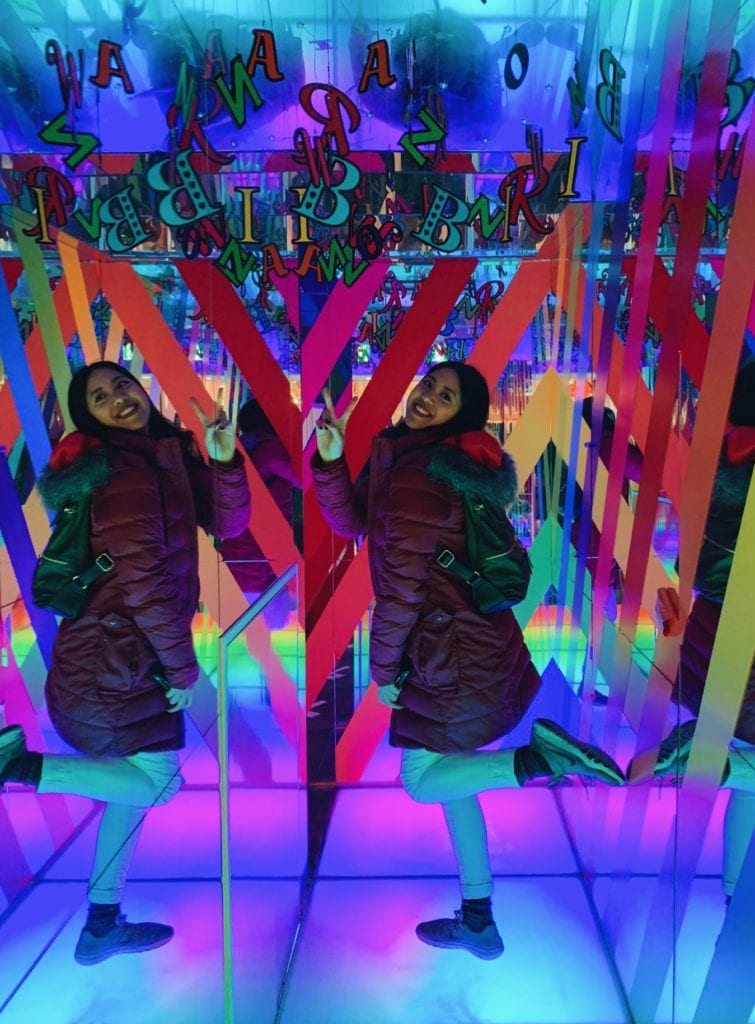


After freshening up and getting a quick bite of food to eat for breakfast, spend a few hours in the colorful, quirky, fashion-forward district of Harajuku.
There are tons to do in Harajuku, and you can spend literally hours here strolling, taking photos, and people-watching.
Grab a Japanese-style crepe from one of the many crepe stands along Takeshita Dori, shop for very unique clothing/costumes, go vintage/thrift shopping, or take kawaii (cute) pictures at Purikura alongside other Japanese teenager girls!
Takeshita Dori (Takeshita Street) is a narrow, roughly 400-meter long street lined by shops, boutiques, cafes and fast food joints targeting Tokyo’s teenagers. This is where you can endlessly spot people in cosplay/costumes. It’s the quintessential Harajuku experience and birthplace of many of Japan’s fashion trends.
Aside from the many vintage stores in the area, a few of our favorite shops to browse include La Foret (13-floor store containing numerous small clothing and culture boutiques) and Kiddy Land (huge toy store featuring tons of Japanese brands including Studio Ghibli, Hello Kitty, Gudetama and Rilakkuma).
Visit Shinjuku District

Shinjuku is a major business and entertainment district. Imagine towering skyscrapers, neon signs, and bustling, vibrant streets filled with local shoppers, tourists, and commuters. Shinjuku is most known for its nightlife and shopping and is definitely worth a visit.
Take the train over to Shinjuku Station, but don’t leave the station quite yet. What you’ll notice is that this train station is huge. There are close to 1,000 shops and restaurants in the station’s two underground malls and 4 department stores. Spend some time getting lost among the shops and restaurants!
Once above ground (and once you’ve gotten your fill of shopping), start your Shinjuku exploration with a skyline view of the city from the Tokyo Metropolitan Government Building, for free!
The 243-meter tall building has two twin towers, and each houses an observatory deck at a height of 202 meters. Each observatory has a cafe and a souvenir shop.
Shinjuku Gyoen National Garden

Head over to Shinjuku Gyoen National Garden for an afternoon picnic lunch on one of the massive lawns. You can buy a variety of takeaway items at the gourmet food hall in the basement level of Takashimaya department store, just south of Shinjuku Station.
Once inside the garden, grab a map and check out all the major gardens, such as the French and English gardens as well as the Japanese Traditional gardens featuring ponds, pagodas, and a teahouse. There’s also a charming Taiwan Pavilion that you can go inside and look out the second-story windows.
During my very first trip to Japan in the autumn, I found this to be by far one of my favorite gardens in all of Tokyo, so I’d highly recommend you visit! Especially if your trip takes place in the fall season.
Take a quick stroll through Omoide Yokocho / Golden Gai

Wrap up your evening with some yakitori and a cold beer on Omoide Yokocho (Memory Alley), affectionately (and hilariously) also known as “Piss Alley”!
This narrow street, tucked near Shinjuku Station, is lined with smoky little yakitori joints and bars that only seat a handful of people at a time. It’s a throwback to post-war Tokyo and still a fun spot for a quick drink or bite.
That said, while Omoide Yokocho and nearby Golden Gai were once some of the most unique nightlife spots in Tokyo, they’ve become pretty overcrowded and touristy in recent years. Most Golden Gai bars now cater almost entirely to English speakers, which means they’ve lost a bit of their local charm.
Take a quick stroll through for the atmosphere, then head somewhere more authentic if you want to experience real Tokyo nightlife. Shimokitazawa has some of the best live music venues, cozy bars, and low-key clubs in the city.
Enjoy a live music club in Shimokitazawa

Skip the crowded, tourist-heavy Golden Gai and head to Shimokitazawa for a more local, laid-back vibe. Known for its indie spirit, the area is packed with cozy bars, live music venues, and craft beer spots.
Given that ~8% of all of Tokyo’s music clubs are located in this part of town, you’re certain to find a club that suits your music tastes.
Many venues double as casual bars, making it easy to grab a drink while soaking in the tunes. Some places may have cover charges, but that’s because they feature live music.
For a unique jazz-meets-speakeasy experience, check out No Room For Squares, hidden behind a Coca-Cola fridge door. There’s no menu here—just tell the bartender what you like, and they’ll craft something on the fly.
Another cool spot is Shimokitazawa Daisy Bar, a small venue and bar where you can catch independent bands and immerse yourself in the underground Japanese music scene.
DAY 2 IN TOKYO: TSUKIJI / ASAKUSA / AKIHABARA / GINZA
Tsukiji Fish Market


Welcome to the world’s largest, busiest fish market! If you happen to be jetlagged and find yourself wide awake at 4-5am, it’s not too early to head to Tsukiji Fish Market for a quick sushi-filled breakfast.
The wholesale inner market (including the legendary tuna auctions) moved to Toyosu Market in 2018, so if seeing the auctions is on your list, you’ll need to visit Toyosu early in the morning.
That said, Tsukiji is still a must-visit for food lovers. The Outer Market is packed with retail shops, snack stalls, and sushi restaurants where you can enjoy a fresh breakfast without waiting in hours-long lines.
If you’re looking to save a bit, some smaller sushi stalls just outside the main market streets offer excellent quality at more reasonable prices.
For a deeper experience, opt for the Tsukiji Fish Market Food and Culture Walking Tour, where knowledgeable guides share the market’s history and let you sample a variety of traditional Japanese foods!
Sensoji Temple

By now, it’s obvious that temples are literally all over Tokyo. However, the Sensō-ji temple in Asakusa is the oldest and most famous, boasting almost one and a half millennia of history!
This area also features Tokyo’s biggest souvenir market as well as the Kaminarimon Gate, instantly recognizable by the massive red chochin lantern. There are many ways to visit the Sensoji Temple and its surroundings, but the simplest path is to start from the Kaminarimon Gate and move upwards.
After snapping a million photos of the lantern from the Kaminarimon Gate, head on up to Nakamise Dori. Nakamise Dori is a lively traditional shopping street that runs from the Kaminarimon gate right up to Sensoji Temple.
Being one of Japan’s oldest shopping arcades, you will definitely feel that traditional Tokyo charm as you stroll through the strip. There are about 90 stores lining the 250-meter-long strip, making it an ideal place to hunt for Japanese gifts and souvenirs.
There are also many food stalls along Nakamise Dori, including stalls selling freshly made hot drinks, rice crackers, dango (sweet dumplings made of sticky soft rice flour), and age-manju (fried buns with a sweet bean paste filling).

From there, head over to the temple itself. It’s worth going up the stairs and wandering around. The main temple closes at 5pm; stalls close around 6pm.
Calling all matcha lovers! Before leaving the area, check out Suzukien Asakusa in the area. This place boasts the most concentrated matcha ice cream – and they aren’t joking. You can choose your level of matcha, with the lowest level being comparable to matcha ice cream you’d buy anywhere else.
Want to learn more about the deep history of Asakusa and Sensoji Temple? Check out this handpicked tour:
Tokyo Asakusa Rickshaw Tour – Climb aboard a traditional Japanese rickshaw for unforgettable views and stories of the Asakusa district in Tokyo. Your guide will steer you to some of Tokyo’s many iconic sites while illuminating the history behind them all.
Explore the Akihabara district

Akihabara is the perfect place to spend an afternoon people-watching and taking in the anime culture. Akihabara used to be Tokyo’s electronics district, but in more recent years, this district has become wildly famous for being the center of Japan’s anime and manga culture.
This neighborhood is bustling, loud, and full of comic book stores, video game stores, and anime gift shops. In addition to the otaku shops, you can find manga cafes as well as cosplay-themed maid cafes, where waitresses dress up and act like maids or anime characters.
Maid cafes are popular with both men and women but aren’t cheap to visit! Some cafes, like the @Home Cafe, offer English-speaking maids.
If you’re actually in the area to do some electronics shopping, check out Akiba Yodobashi, the most colossal discount electronic store ever.
Don’t leave before visiting GiGO Akihabara 4, the most iconic and nostalgic Sega arcade in Japan! TAITO Station Akihabara is another arcade game venue you can check out in the area.
Kabuki-za Theater
If you want to catch a real kabuki show, head to Kabuki-za Theater. The traditional art of kabuki is something unique and, of course, best appreciated by watching a play.
Since these plays are done in Japanese, it might not make sense for you to book tickets for the whole show (usually three hours).
No worries, they sell single-act tickets. They are reasonably priced available only on the day of the show and limit the time of your experience so it does not get too exhausting.
Don’t fancy a show? You can still go through the Kabuki-za Gallery with a voice guide to learn all about the art on display. There is a rooftop garden on the 5th floor and on sunny days, it’s a very wonderful place to spend some time.
Explore Ginza for some shopping

If you like upscale, then you’ll like Ginza. There’s hardly a corner in Ginza that doesn’t have an upscale fashion boutique or Michelin-starred restaurant sitting on it!
In fact, there are more Michelin-starred restaurants in Ginza than anywhere else in Tokyo. Ever heard of the popular 2011 documentary Jiro Dreams of Sushi? One of the most famous restaurants in Tokyo, Sukiyabashi Jiro, holds 3 Michelin stars and is located right in Ginza.
For those of you more interested in shopping, you’re in luck! Walk down Chuo-dori in Ginza and you’ll get a taste of Tokyo’s most prestigious shopping, including Japanese department stores like Mitsukoshi and Matsuya to international brands like Dior and Prada.
Aside from all the high-end boutiques you’ll effortlessly stumble upon, there are a few stores that are just fun to check out. One of those is the 9 stories tall Itōya Stationery Store (Japanese people love stationery).
Don’t miss the flagship Uniqlo in Ginza, standing 12 stories tall. There are also huge duty-free stores such as Laox, located in the Ginza Yamato Building.
My absolute favorite store to visit and spend a few hours hunting for souvenirs and snacks? Don Quijote! Don Quijote, Donki for short, is a massive discount store chain instantly recognizable by its mascot – the adorably kooky blue penguin above its doors.
They sell just about everything you can think of. Do yourself a favor and step inside if only for a few moments. It’s such an experience!
Yurakucho Restaurant District
Need a break from the glamour of Ginza? Head over to the restaurant district of Yurakucho for some old-school Tokyo vibes and some yakitori and beer!
Though this is only a 5-minute walk from the Ginza station, you will feel worlds away. Since it’s located between a luxurious shopping district and a business district, Yurakucho has a very unique atmosphere that blends both neighborhoods together.
From high-end sushi restaurants to casual Izakayas, there is something for appetite in Yurakucho. Don’t miss Yakitori Alley!
The district is also home to a number of popular bars and clubs, making it a great place to enjoy a night out on the town.

Want to take your Yurakucho eating experience further? Join in on one of these handpicked tours featuring Yurakucho:
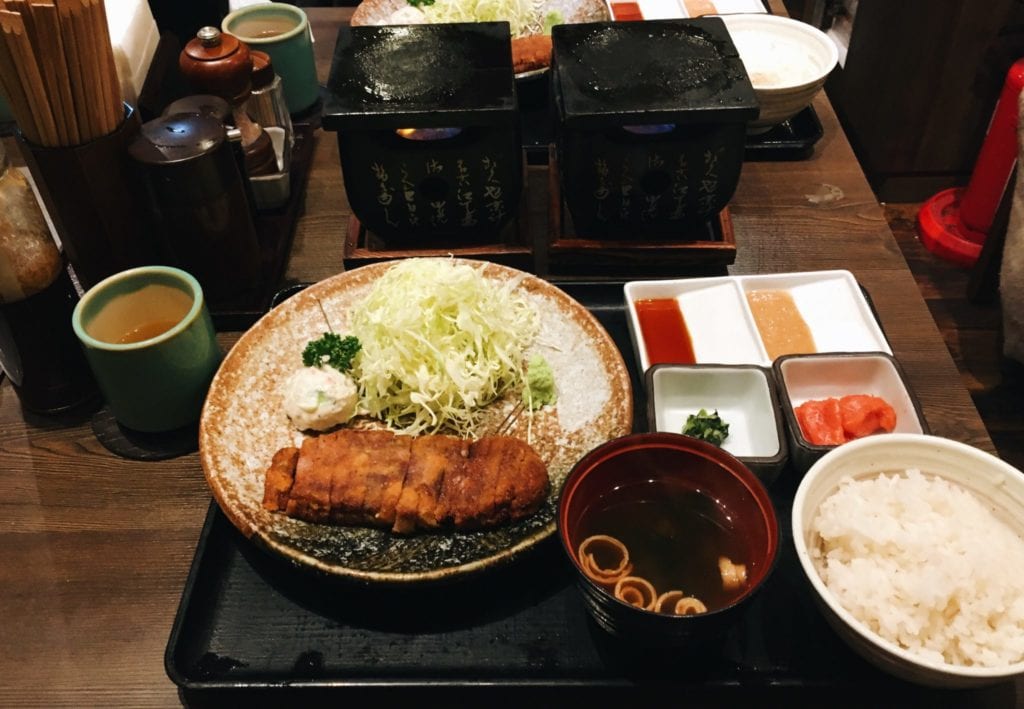
Tokyo by Night: Japanese Food Tour – Discover Tokyo’s nighttime food scene and sample local specialties like succulent grilled meat skewers, sweet cakes and refreshing sake on this 3-hour food tour.
Walking Food Tour in Yurakucho, Shimbashi and Ginza – Sample yakitori accompanied by drinks and enjoy food tastings plus dessert at popular and traditional venues. Start amid Yurakucho’s rustic charm, continue on to modern Ginza, and finish your tour among a maze of local eateries in Shimbashi.


Looking for a longer itinerary? Check out this post next: Best Of Tokyo: The Perfect 5 Days In Tokyo, Japan
OTHER THINGS TO DO IN TOKYO
Other Tokyo activities worth mentioning:
- Ueno Park
- teamLab Borderless / teamLab Planets digital art museum
- Fall Evening Illumination at Rikugien Garden (seasonal)
- Yayoi Kusama Museum
- Samurai Museum
- Edo-Tokyo Museum
- Spend a day at the DisneySea or Tokyo Disneyland parks (Hint hint: DisneySea is the first of its kind across the world!)
- Visiting the Ghibli Museum if you are a Studio Ghibli fan (book far in advance)
- Sanrio Puroland – Visit all your favorite Sanrio characters at this indoor theme park.
- Visit the artsy neighborhood of Nakameguro
- Visit the National Art Center Tokyo
- Day trip to Nikko from Tokyo (Edo Wonderland in Nikko is a ton of fun)
- Shop for homewares at Kappabashi Street – expect restaurant supply stores galore!
- Attend a Sumo tournament at Ryoguku Kokugikan
- Shop at the Oedo Antique Market – held near Tokyo Station twice a month, with stalls selling wonderful antique and vintage wares.
- Shop for vintage clothes in the Shimokitazawa neighborhood
- Take a dip at Koganeyu’s communal baths – This hip public bath has 3 pools, a sauna & an outdoor plunge pool, plus a bar serving artisan beer!
- Eat your way through various depachika (underground food halls) across the city.
- Buy a ton of sliced sandwiches and ramen from the convenience stores and eat them in your hotel room. They are absolutely delicious, especially compared to what we have in the USA.


WHERE TO STAY IN TOKYO
Choosing where to stay in Tokyo can be confusing because it’s just such a massive city. We can help with that.
In terms of neighborhoods to choose from, Shinjuku is our favorite area to stay in Tokyo because it’s so central and has many attractions within walking distance. Shibuya is another convenient base but can be too crowded for some people.
No matter where you choose to stay, just make sure it is within walking distance from the JR Yamanote Line (loop train line that hits all the major attractions and parts of town).
Staying around this train line will save you so much time and money, trust me. You won’t have to transfer to buses or taxis after hopping off the train or walk for days to get you back to your lodging.
SHINJUKU HOTELS

JR Kyushu Hotel Blossom Shinjuku ($$) – has an awesome breakfast buffet, and in the most perfect location (just a 3-minute walk from JR Shinjuku Station); twin and full-sized bed options.
Mimaru Tokyo Shinjuku West ($$) – offers apartment-style hotels that are perfect for people traveling with family members; 6-minute walk from JR Shinjuku Station.
Tokyu Stay Shinjuku East ($) – super affordable and modern hotel with delicious breakfast options; 11-minute walk from JR Shinjuku Station; twin and queen-sized bed options.
Kimpton Shinjuku Tokyo, an IHG Hotel ($$$) – features facilities inspired by New York-themed designs, such as a restaurant, a fitness center, terrace and an onsite bar. 7-minute walk from Shinjuku Station; king beds are available here!
SHIBUYA HOTELS
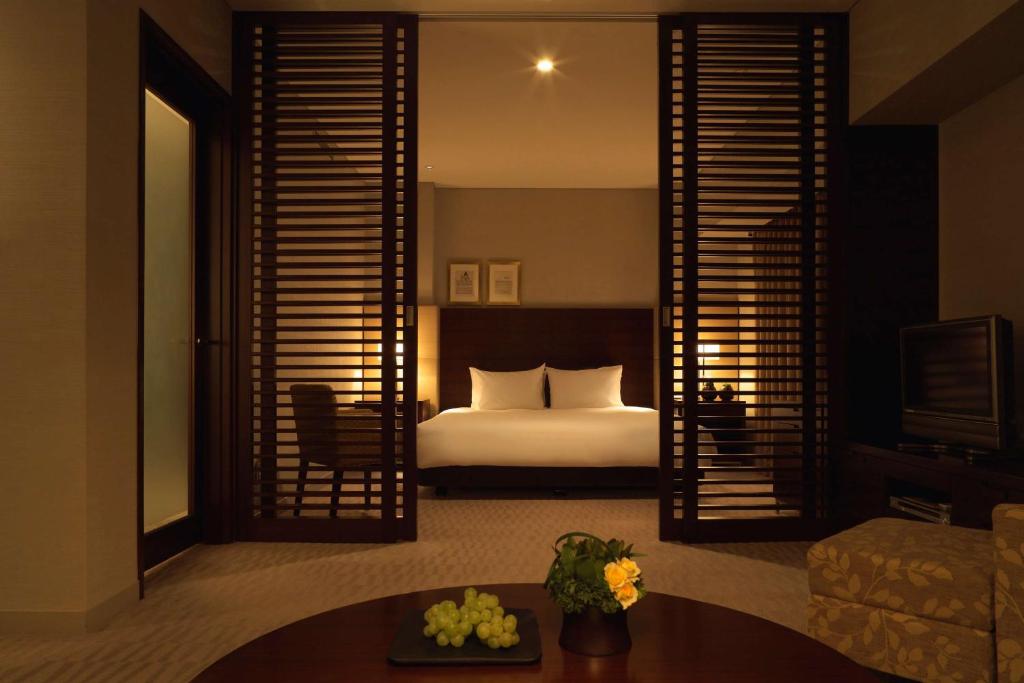
The Millennials Shibuya ($) – For the adventurous travelers who want to try sleeping in a capsule bed, this hostel is hard to beat! While not the most varied breakfast, it is free. 4 min walk from Shibuya station.
Shibuya Stream Excel Hotel Tokyu ($$) – Great location surrounded by restaurants and close to Shibuya Station (train station is just under the building). Hotel is modern and very clean, and the room had a spacious; king-sized beds are available here!
Hyatt Regency Tokyo ($$) – Awesome location (Shinjuku station is right in the hotel basement), awesome city views, and even more awesome breakfast. King-size beds are available here!
WHAT TO EAT IN TOKYO
While you’re in Tokyo, you need to try the following foods, if you haven’t already:
- Ramen, abura soba, udon, and tsukemen (dipping noodles)
- Fukagawa-meshi: rice cooked with clams
- Conveyor belt sushi: sushi is as fresh as it gets in Tokyo!
- Anago (saltwater conger eel): the less-fatty version more well-known unagi, which is freshwater eel.
- Omurice: fried rice wrapped in an omelette and drizzled with ketchup
- Ichigo Daifuku: cute and delicious strawberry mochi; you can find these all around the train stations throughout Tokyo
- Dessert crepes: best place to grab one is in the Harajuku district!
Okay, but where should you eat specifically? While this list is not meant to be extensive, I did want to share a few notable spots with you!
- Sushiro – a top conveyor belt sushi option in Tokyo
- Hamazushi – another great conveyor belt sushi option
- Kaiten Sushi Toriton – more conveyor belt sushi!!
- Rokurinshu – one of the best tsukemen (dipping noodle) joints in all of Tokyo
- Fūunji – also a great tsukemen option
- Kyushu Jangara – yummy and affordable tonkatsu ramen; small space, but always packed!
- A Happy Pancake Omotesando – the only spot you need to visit to try the fluffiest ricotta pancakes ever.
- Azuki to Kouri – elevated kakigori ice desserts; the signature parfait showcases sweet azuki red beans!
- Nanaya Aoyama – amazing ice cream, I highly recommend the toasted rice tea and the matcha flavors.
- … and pretty much restaurant at Tsukiji Market and Omoide Yokocho!
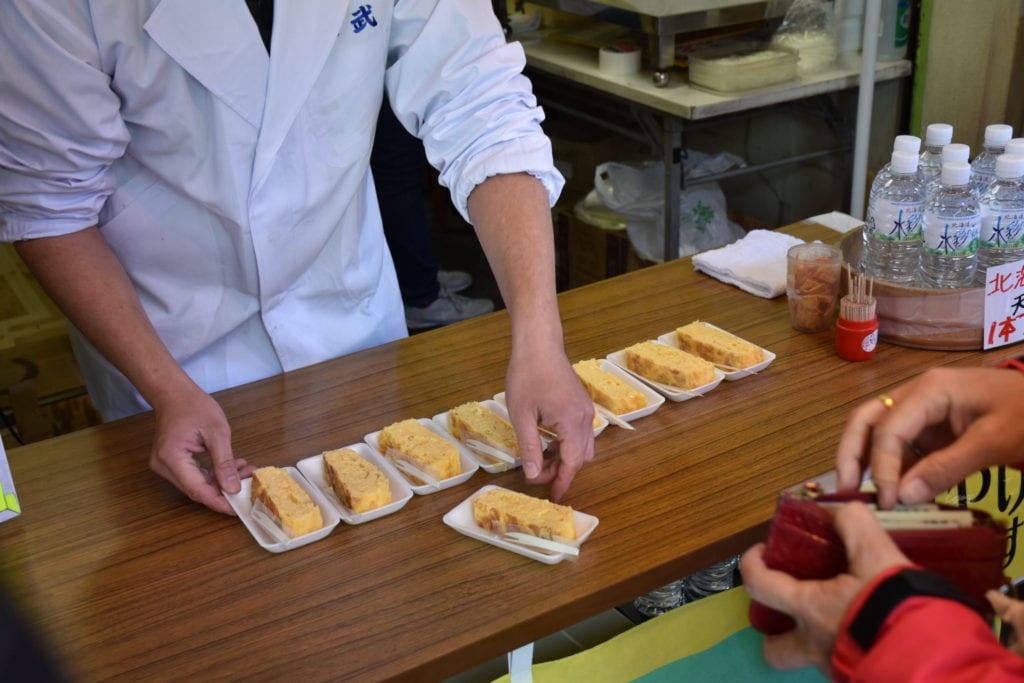


CHEAP EATS IN TOKYO
Tokyo gets a bad rap for being expensive, but many of the top sights are actually free, and feasting on the city’s top ramen joints and sushi stands won’t leave you broke — if you know where the bargains lie.
Katsu Midori Sushi, Shibuya-ku | A spin-off from Tokyo sushi shop Sushi- no-Midori, this is the city’s best kaiten-zushi (conveyor-belt sushi) restaurant. It’s a bargain for the quality and it’s always crowded, so you know the plates are fresh! Address: Seibu Department Store, 21-1 Udagawa-cho, Shibuya-ku; plates ¥100-500.
Onigiri Yadoroku, Taitō-ku | Onigiri, rice shaped into triangles and wrapped in sheets of nori (seaweed), is Japan’s ultimate snack. Try them made-to-order at Tokyo’s oldest onigiri shop (opened in 1954). Address: 3-9-10 Asakusa, Taito-ku; about ¥310-800 each.
Kagawa Ippuku, Chiyoda-ku | Originating from Kagawa, the prefecture synonymous with udon in Japan, Ippuku has a great reputation. Plus it’s a bargain bite! You’ll be handed an English menu to help with the options, but you’ll pay at the vending machine. Address: Tokyo Royal Plaza,1-18-11 Uchikanda, Chiyoda-ku; ¥430-900 per bowl.
Isetan Department Store, Shinjuku-ku | The massive food hall in this department store has outlets from some of the country’s top restaurants. Customize your meal of sushi, dumplings, tonkatsu sandwiches, and even dessert — then take it upstairs to eat on the roof garden! Address: 3-14-1 Shinjuku, Shinjuku-ku; dishes from ¥500.
Sagatani, Shibuya-ku | This noodle joint possibly wins the prize for Tokyo’s best cheap meal. Expect fresh, stone-ground soba noodles made daily and served with a side of goma (sesame) dipping sauce. You can wash it all down with a cheap beer too. Address: 2-25-7 Dōgenzaka, Shibuya-ku; 24hr; noodles from ¥280.
JAPAN: ESSENTIAL PACKING LIST
- Suica / Pasmo / Icoca Card | Super-convenient rechargeable cards that can be used on all major trains, subways, and buses throughout Japan. You can even use them to pay for stuff at the konbini (convenience stores)! Cards can be purchased from train station ticket vending machines or ticket offices.
- Airalo eSIM | Alternative to the pocket WiFi (which used to be the most popular option in Japan). You can buy an eSIM completely online and activate it as soon as you land, super easy and convenient!
- Portable Power Bank | You’re probably going to be out all day, snapping away taking pictures, GPSing to all the great landmarks of Japan. The last thing you want is to be stranded with no phone battery! A portable power bank is a must-have, and Anker’s ultra-light, ultra-portable power bank is tried and true by so many travelers! I never embark on a day of exploration without it.
- Travel Adapter | If you’re traveling internationally, you’re going to need one. This one here is tried and trusted. It allows for a normal plug and has two additional USB ports.
- Jet Lag Prevention | Chances are you will be jetlagged during your first few days in Japan. Don’t let the long flight and time change weigh you down! Here are a few preventative options that’ll help:
- 1Above Anti Jet Lag Flight Drink Tablets – Super antioxidant drink tablets.
- Miers Labs Homeopathic Jet Lag Prevention – Helps to alleviate jet lag symptoms that affect the body, prevents disorientation as well as mental and physical fatigue.
- Comfortable Walking Shoes | You will be doing a lot of walking in Japan.
- Cash and credit cards
- Important travel documents | Passports, visas, flight tickets, medical cards
- Lastly, be sure to save space in your luggage for souvenirs and snacks to bring home!
I hope this 2-day Tokyo itinerary has helped make your trip planning a million times easier. If you have any questions at all or have recommendations of your own, feel free to drop a comment!
Looking for more Japan travel tips? You may also like…
- 15 Best Hotels In Tokyo Near JR Yamanote Line (With Map)
- 10 Best Budget Hotels In Tokyo (Near JR Yamanote Line!)
- Tokyo Travel Tips: 50 Things To Know Before You Go
- The Perfect 5-Day Itinerary In Tokyo, Japan
- Tired Of The Crowds? 10 Other Places Worth Visiting Near Tokyo
- 20 Fun-Filled Things To Do In Tokyo At Night
- 10 Of My Favorite Cheap Eats In Tokyo, Japan
- Shimokitazawa: Vintage Shops, Coffee, and The Artsy Side Of Tokyo
- A Perfect Day Trip Itinerary For Kawagoe, Japan (From Tokyo)
