

Most travelers only know Chengdu as the place to see China’s beloved giant pandas—and while that’s definitely a must, it barely scratches the surface of what the city has to offer.
Chengdu is a major university city, which gives it a youthful, open-minded vibe. The city also sits at a cultural crossroads, blending Sichuan’s fiery food culture with Tibetan influences that are evident in its temples, tea culture, and even street fashion.
From laid-back teahouses and historic poetry parks to modern nightlife and lively food streets, Chengdu is where tradition and trendiness coexist effortlessly.
This guide is here to give you a better sense of what Chengdu is really known for beyond its furry mascot, so when you visit, you’ll know exactly where to go, what to eat, and how to experience the city on a deeper level.
This post may contain affiliate links. You won’t be paying a cent more, but in the event of a sale, the small affiliate commission I receive will help keep this blog running/pumping out useful and free content. Thanks a lot!
HOTEL SPOTLIGHT

Chengdu Tibetan Hotel
Thanks to its location near the Tibetan Plateau, Chengdu has a rich Tibetan influence, and this hotel embraces it fully.
Rooms are pure luxury, equipped with high-tech comforts, but the real highlight is the immersive cultural experiences on offer. Try your hand at making Jia La incense, dress in traditional attire, or sip on authentic Tibetan butter tea.
And the complimentary breakfast? It’s a true feast you need to experience for yourself.
Table of Contents
PANDAS (DUH!)

Chengdu is known as the panda capital of the world for a reason. It’s home to the Chengdu Research Base of Giant Panda Breeding, the leading center for panda conservation.
Native to the mountains of Sichuan Province, pandas have become a symbol not just of Chengdu but of Chinese wildlife preservation as a whole.
The panda’s laid-back lifestyle reflects the city’s own easygoing vibe, and locals take great pride in playing host to these gentle creatures. You’ll see for yourself as soon as you set foot into the city–Chengdu is filled with panda-themed souvenirs no matter where you go!
You can easily spend half a day at the panda base watching them munch on bamboo, nap, or (if you’re lucky) spot a few clumsy babies in the nursery. Most first-timers keep it simple and opt to visit the Chengdu Research Base of Giant Panda Breeding.
For a more off-the-beaten-path option with fewer crowds, you can make the trek to the Dujiangyan Panda Base, where you can participate in hands-on volunteer programs that bring you that much closer to China’s most beloved animal.
SUPER SPICY FOOD

Chengdu is the birthplace of Sichuan cuisine—arguably China’s most famous food style—and it’s not just about heat, but a specific kind of heat.
The region’s trademark is the numbing, tingling sensation of Sichuan peppercorns, which are used in dishes like mapo tofu, dan dan noodles, and hotpot. Hotpot is a rite of passage here, and Chengdu-style hotpot is especially bold, with deep red, oily broth packed with chilis and peppercorns.
Locals gather around bubbling pots with friends and family, dipping thin-sliced meats, vegetables, and tofu into the spicy broth while downing ice-cold beer or plum juice. Try it for yourself at local-favorite hotpot chains like Shu DaXia.
Chengdu’s spice game doesn’t hold back, but that’s exactly what makes it unforgettable.
👉 Pro Tip: Hotpot restaurants are everywhere in Chengdu. Look for the words “火锅” on signs—that’s your hotpot beacon. Seriously, you can’t walk 50 steps without stumbling across another spot.
STILL NEED AN E-SIM FOR YOUR TRIP? Our go-to eSIM provider is Airalo! For a limited-time, you can use promo code AIRALOESIM10 for 10% off your booking. Explore all their affordable plans here.
TRADITIONAL TEAHOUSES

Teahouses are a cornerstone of Chengdu’s culture, offering much more than just a cup of tea. They’re a social hub, especially for older locals who frequent teahouses nearly daily to read the paper, play cards, or simply chat for hours.
You’ll also see younger people meeting up with friends and curious tourists looking to experience this quintessential part of local life.
One of the best places to experience it firsthand is People’s Park, where you can sip jasmine or chrysanthemum tea while overlooking the lake and watching ear cleaners, tea masters, or calligraphy artists go about their routines. It’s people-watching gold and a chill way to absorb the city’s slow-living ethos.
Order a pot, sit back, and enjoy one of the most authentic windows into local life.
SHUYANFU DINNER SHOW

If you want a night out in Chengdu that’s equal parts food, fun, and cultural immersion, the Shuyanfu Dinner Banquet Show is a must.
It’s a newer experience that’s exploded in popularity, but once you discover what this dinner banquet experience entails, you’ll easily see why.
You’ll be served an elaborate 8-course “royal banquet” while enjoying a live theatrical performance that mixes dance, drama, comedy, and traditional Chinese storytelling, all inspired by Sichuan culture. As with most Mainland China shows, expect LOTS of great costuming.
We didn’t have time to dress up in traditional hanfu outfits like many other guests did (yes, costume rentals are a thing here), but we were honestly jealous watching everyone take selfies and live out their period drama dreams.
My favorite part? Feeling like absolute royalty as the servers brought us dish after dish with the best service, all while the actors enchanted us with their artistry.
Even if you don’t speak Mandarin, the show is still a blast—think of it like an immersive, high-energy cultural variety show with impressive visuals and over-the-top flair. Hands down, it was one of the most entertaining things we did during our entire two-week trip through China.
FACE-CHANGING SHOWS (BIAN LIAN)

Face-changing, or bian lian, is one of the most iconic and mysterious elements of Sichuan opera. Chengdu is the best place to witness it live!
Performers dressed in colorful and ornate traditional costumes change their face masks in a split second—SO fast it looks like magic.
Historically, the changing faces symbolized shifting emotions and personalities in Sichuan storytelling. Today, it’s a mix of artistry, skill, and showmanship, often combined with music and martial arts.
You’ll find face-changing performances featured at many dinner theater shows around the city, but Shufeng Yayun Sichuan Opera House is a classic spot to see it up close in an intimate teahouse setting.
For a 2-in-1 experience, walk through Kuanzhai Alley in search of a place to eat. A lot of the restaurants there offer free face-changing shows a few times during their dining hours. You’ll also find many smaller teahouses here, offering Sichuan opera shows.
PEOPLE’S PARK


People’s Park is one of those places that doesn’t seem like much on paper—but add it to your itinerary and you’ll instantly get why it’s such a local favorite. This is where Chengdu’s famously laidback lifestyle comes alive.
You’ll see retirees dancing, playing mahjong, or getting ear cleanings from roving street hygienists (yes, it’s a super normal thing). You’ll hear music, laughter, and chatter all around you.
This is also a place to witness the Chengdu “marriage market”, where parents try to matchmake for their adult children by posting their bios on hand-drawn signs.

The park’s lakeside Heming Teahouse is a great spot to relax with a pot of jasmine or green tea while watching life go by.
LESHAN BUDDHA

If day trips are your thing, the Leshan Giant Buddha is one of those jaw-dropping sights that make you feel small in the best way possible.
Carved directly into the cliffs overlooking the confluence of three rivers, this 71-meter (233-foot) tall statue is the largest stone Buddha in the world, and it’s located just roughly 2 hours from Chengdu.
Construction of this world-famous structure started in 713 AD during the Tang Dynasty and took over 90 years to complete. The idea was that the massive statue would calm the turbulent waters that plagued passing boats—and according to legend, it actually worked.
Today, you can hike down the cliffside trails to see the Buddha from its massive head to its giant toes, or take a river cruise to get the full view from the water.
Many travelers opt to visit Leshan on a day trip from Chengdu, and tours often bundle it with either Mount Emei (a sacred Buddhist site and UNESCO World Heritage area) or the Panda Base, depending on your interests.
ANCIENT SHU PEOPLE

Before modern Chengdu, the land that the city sits on was home to the Shu civilization, an ancient culture that thrived in the Sichuan Basin thousands of years ago.
Unlike the more widely known Han dynasties, the Shu people had their own language, spiritual beliefs, and highly developed bronze-making techniques. Much of what we know about them today comes from the artifacts unearthed in the 1980s at Sanxingdui and Jinsha sites—and these artifacts are truly one-of-a-kind.
We’re talking massive bronze and gold masks, ornate headdresses, stylized bronze trees, and eerie bronze human figures that seem almost extraterrestrial in design. These discoveries not only challenge our understanding of early Chinese civilization but also highlight the unique cultural roots of the Sichuan region.
To experience it for yourself, head to the Sanxingdui Museum, located in Guanghan about an hour from Chengdu. The craftsmanship here is extraordinary and unlike anything else found in China.
A STRONG TIBETAN INFLUENCE
Chengdu is home to one of the largest Tibetan populations outside of Tibet itself. That’s because Sichuan borders the eastern edge of the Tibetan Plateau, and historically, many Tibetan communities have settled in and around Chengdu for trade, education, healthcare, and religious freedom.
As you explore the city, you’ll notice Tibetan monks in traditional robes walking near temples, prayer flags draped across shop entrances, and restaurants proudly serving yak meat and butter tea—especially around Wuhou District and the southwestern part of the city.
One of the easiest and most memorable ways to immerse yourself in this culture? Stay at Chengdu Tibetan Hotel (Zizang Hotel), the same hotel we stayed at and unanimously agreed was the BEST STAY of our entire 3.5-week trip through China.
The lobby alone makes a strong impression, with carved wooden columns, spinning prayer wheels, Tibetan fabrics, and warm hospitality. And the rooms? Even more impressive and luxurious!
If you have more time, a visit to nearby Ganbao Tibetan Village offers an even deeper look into local customs. There, you get to experience it all: yak hotpot, butter tea-making, prayer flags fluttering in the wind, Mani stone walls inscribed with Buddhist scriptures, and partaking in prayer rituals in the mountains.
But even if you don’t leave the city, Chengdu gives you a surprisingly rich window into Tibetan life, right alongside its famous teahouses and spicy hotpot.
THE LARGEST MALL IN THE WORLD
Did you know that Chengdu is also home to the largest building in the world by floor area?
The New Century Global Center sounds super boring, but it’s actually a shopping mall-meets-a small city.
Inside, you’ll find an indoor water park complete with a beach, a wave pool, and artificial sun, a massive skating rink, a theme park, IMAX theaters, a hotel, and over 1,000 stores and restaurants.
It’s the kind of place where you can easily spend an entire day (or two!) even if you’re not into shopping. If you need a break from the history and the cultural sites of the city, this a great example of Chengdu’s ambition, modern development, and love for leisure.
Practical Tips For Chengdu, China
Here’s a quick overview of Chengdu + some tips to help you get familiar with the city:
City Layout: Chengdu is structured around a series of “rings” (like concentric circles), with the city center at Tianfu Square. The First Ring Road surrounds the immediate downtown area, while the Second, Third, and Fourth Ring Roads encircle progressively larger parts of the city. Most attractions are within the Second or Third Ring Roads.
Travel Times: Driving from one end of the city to the other (Fourth Ring Road area) can take about 1 to 1.5 hours depending on traffic. The city is pretty dang large!
Walkability: Chengdu’s central areas, like Chunxi Road or Kuanzhai Alley, are walkable and well-connected by metro. But many of the city’s big attractions (like the Panda Base and Sanxingdui Museum) are further out, so there are times when you’ll need to rely on taxis, rideshare, or shuttle buses.
Where to Stay: The area around Chunxi Road or Tianfu Square is the most convenient for public transportation (metro lines converge here). This is the heart of the city, with easy access to restaurants, shopping, and sights.
Getting Around: While Chengdu’s metro system is clean and efficient, we didn’t take the metro at all during our trip. Didi (China’s Uber) is super cheap and much more convenient, especially if you’re traveling with older parents and children or carrying lots of luggage. For short trips, expect to pay around 15–20 RMB (under $3 USD).
For Restaurants: Download Dazhong Dianping, aka the Yelp of China. Get the app so you can read reviews for establishments, see star ratings and pictures, and get the addresses of the places I recommend in this guide.
How To Book Advance Tickets: For Chengdu, I used Trip.com to book all of our attraction tickets. We also booked all of our train tickets + some hotels through this site. Trip.com is also a really good place to read user reviews before committing to any paid attraction.
Get familiarized with how China works in general before diving into this travel guide. Here are 30 essential things to know about China before your trip.
Planning Your Trip To Chengdu?
Here are some of our other China travel guides to help you plan an incredible trip:
Chengdu
- 3 Days In Chengdu, China: Pandas, Ancient Streets, and Royal Banquets
- How To Spend 4 Epic Days In Chengdu, China
- Chengdu’s Coolest Neighborhood: Eastern Suburb Memory
- Shuyanfu Dinner Show: A Must-Do In Chengdu, China
- 15 Quintessential Things To Do In Chongqing, China
China In General
- Preparing For China: 30 Essential Things To Know Before Your Trip
- 7 Big Mistakes I Made in China (And How You Can Avoid Them)
- 7 Must-Have Apps To Help You Survive In China
Other Destinations In China
Other Posts You’ll Love:
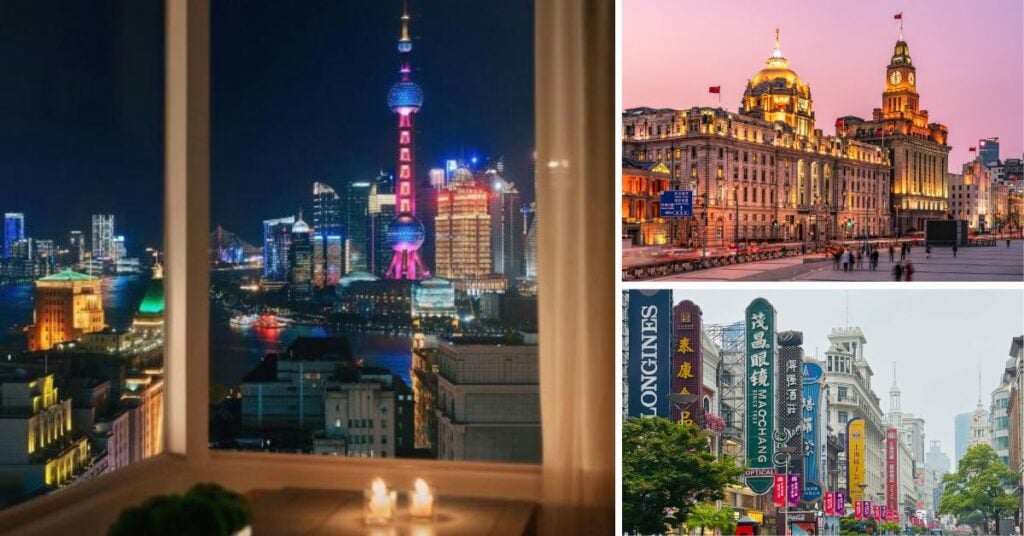
Where To Stay In Shanghai: A First-Timer’s Guide
Shanghai is absolutely massive, and given that Western mapping products like Apple Maps and Google…

5 Unique Things Xi’an Is Known For (Other Than Terracotta Warriors)
Most travelers heading to China default to the big names: Beijing for the Great Wall,…

How To Experience Street Food In Xi’an: Muslim Quarter (Huimin Street)
If you’re not familiar with China’s long and layered history, it might surprise you to…

7 Big Mistakes I Made in China (And How You Can Avoid Them)
Even though I’m Chinese myself (American-born, raised in a Cantonese-speaking household), that didn’t stop me…
2 Weeks In China: Xi’an, Chengdu, Chongqing, Shenzhen, and HK
Most people visiting China for the first time start with Beijing and Shanghai. And look,…

20 Quintessential Things To Do In Chongqing, China
When I was planning my trip to Chongqing, I ran into a problem that I…

